Rinjani Trekking FAQs: Everything You Need to Know Before You Climb
Are you planning to climb Mount Rinjani? This beautiful volcano in Lombok, Indonesia, is a dream destination for hikers. However, preparing for the trek can bring up many questions.
To help you get ready, we have answered the most common questions about the Rinjani hike below. Read this simple guide to plan your adventure safely and easily!
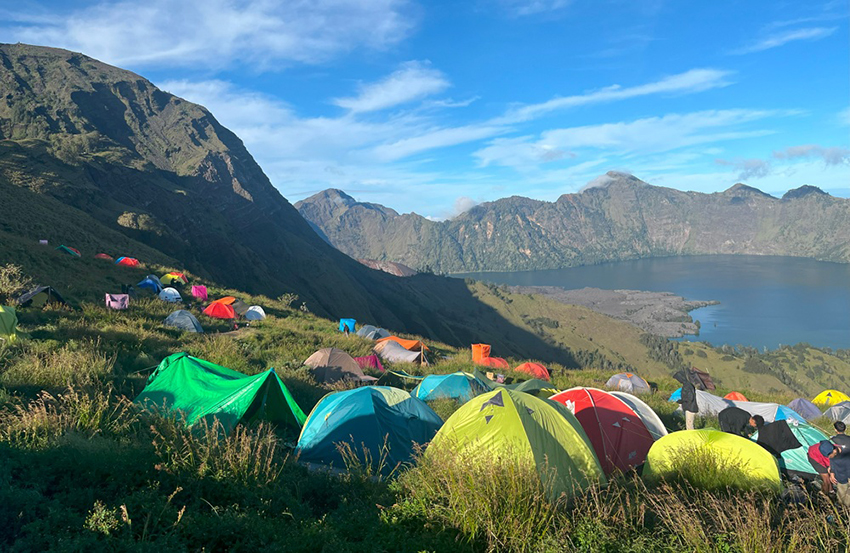
General Questions About Rinjani Trekking.
How high is Mount Rinjani?
Mount Rinjani is 3,726 meters high. It is the second-highest volcano in Indonesia.
Is the trek difficult?
Yes, it is challenging. The trails are steep, sandy, and rocky. You need a good level of fitness to enjoy the hike.
Can I climb Rinjani without a guide?
No. The national park rules state that all foreign tourists must hire a licensed guide and local porters for safety.
Booking and Best Time to Visit
When is the best month to climb?
The best time is during the dry season from May to September. The skies are clear and the trails are dry.
When does the mountain close?
The national park closes every year from January to March due to heavy rain and dangerous storms.
How far in advance should I book?
You should book 2 to 3 months early, especially if you plan to visit in July or August. Slots are limited.
Preparation and Gear
What do local porters carry?
Porters carry the heavy stuff. They bring tents, sleeping bags, mattresses, cooking tools, food, and water.
What should I carry in my backpack?
You only need a small backpack for personal items. Pack a warm jacket, raincoat, headlamp, sunscreen, and personal medicines.
Is it cold at the top?
Yes, it gets very cold. Temperatures at the crater rim and summit can drop down to 5°C or lower at night.
Facilities on the Mountain
Where do we sleep?
You will sleep in camping tents set up by your porters at the designated campsites.
Are there toilets on the trail?
There are no public toilets. Your trekking company will set up a private toilet tent at your campsite.
Is there phone signal on the mountain?
Signal is limited. You might get a weak signal at the crater rims, but there is no connection inside the deep valleys.
Food and Dietary Requirements – Rinjani trekking faqs
What kind of food do porters cook?
Porters cook fresh, delicious Indonesian meals. You will eat rice, noodles, vegetables, eggs, chicken, and fresh fruits like pineapples and bananas.
Can I get vegetarian or vegan food?
Yes! Most trekking companies easily provide vegetarian and vegan options. They will serve tasty tofu, tempeh, eggs, and fresh vegetable dishes instead of meat.
What if I have food allergies or a gluten-free diet?
You can get gluten-free or allergy-safe meals. However, you must tell your trekking agency before you book so they can buy the correct ingredients.
Is drinking water provided?
Yes. Porters carry large bottles of clean water. They will boil fresh mountain water or give you safe bottled water throughout the entire trip.
Should I bring my own snacks?
Yes, it is a good idea. Bring your favorite high-energy snacks like chocolate, nuts, or energy bars to eat while walking between meals.
Your trekking company will provide heavy gear like tents, sleeping bags, mattresses, and cooking equipment. You only need to pack your personal items in a small daypack (around 20 to 30 liters).
Essential Clothing – Rinjani Trekking Faqs
Mountain weather changes fast. It is hot at the bottom but freezing at the top. You must layer your clothes.
- Warm Jacket: A fleece jacket or down jacket is required. Temperatures drop to 5°C at night.
- Windbreaker: A lightweight jacket to protect you from cold wind at the summit.
- Hiking Shoes: Sturdy shoes with a good grip. The trails are sandy and slippery.
- Long Pants: Warm pants for the night camp and the summit climb.
- Light T-Shirts: 2 or 3 breathable shirts for the hot daytime walking.
- Raincoat or Poncho: Sudden rain can happen at any time on the mountain.
- Extra Socks and Underwear: Bring 3 pairs of thick socks to protect your feet.
- Beanie and Gloves: Essential to keep your head and hands warm during the midnight summit hike.
Personal Gear and Electronics
- Headlamp or Flashlight: You need this for the midnight summit climb and walking around the camp. Bring extra batteries.
- Trekking Poles: Very helpful for balance on steep, sandy slopes.
- Power Bank: There is no electricity on the mountain. Bring a power bank to charge your phone or camera.
- Water Bottle: A reusable bottle to refill with safe water provided by your porters.
- Small Backpack: A comfortable bag to carry your daily items yourself.
Toiletries and Health Items
- Sunscreen and Sunglasses: The sun is very strong above the cloud line.
- Toilet Paper and Wet Wipes: There are no public toilets on the mountain.
- Hand Sanitizer: To clean your hands before eating meals.
- Insect Repellent: To protect you from mosquitoes in the rainforest area.
- First Aid Kit: Bring plasters for blisters, painkillers, and your personal medications.
- High-Energy Snacks: Bring your favorite chocolates, nuts, or energy bars for extra energy between meals.